|
|
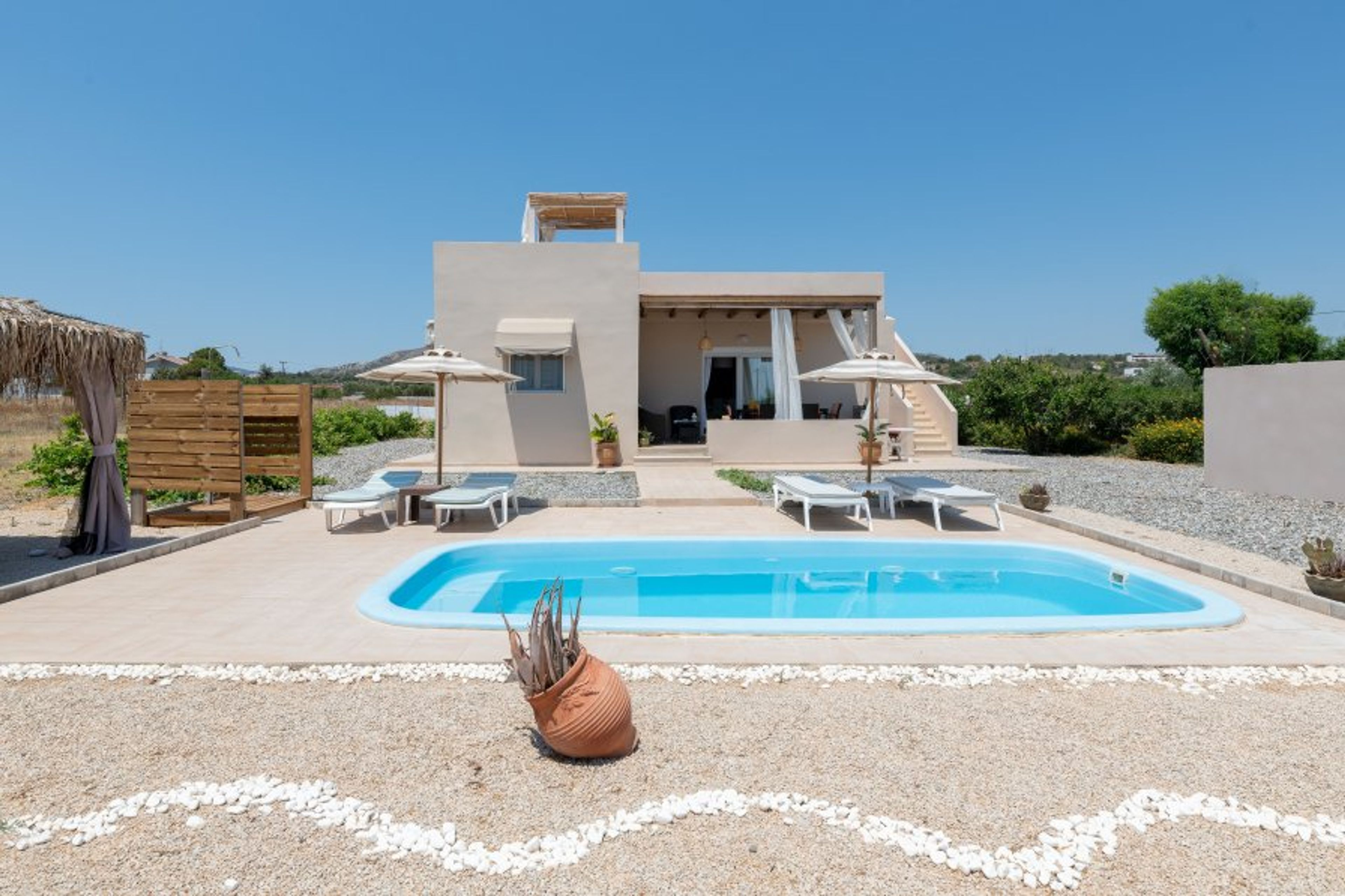
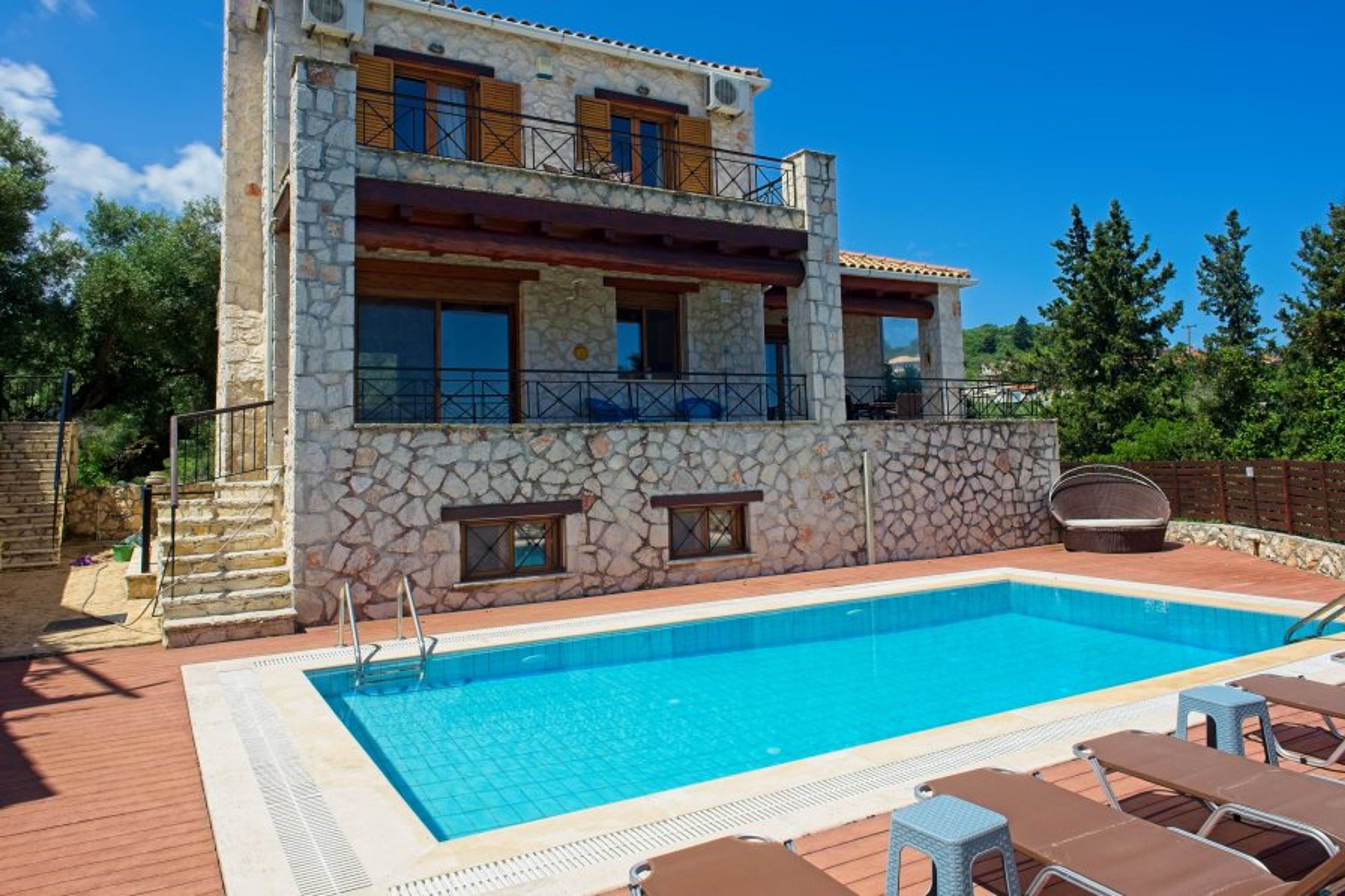
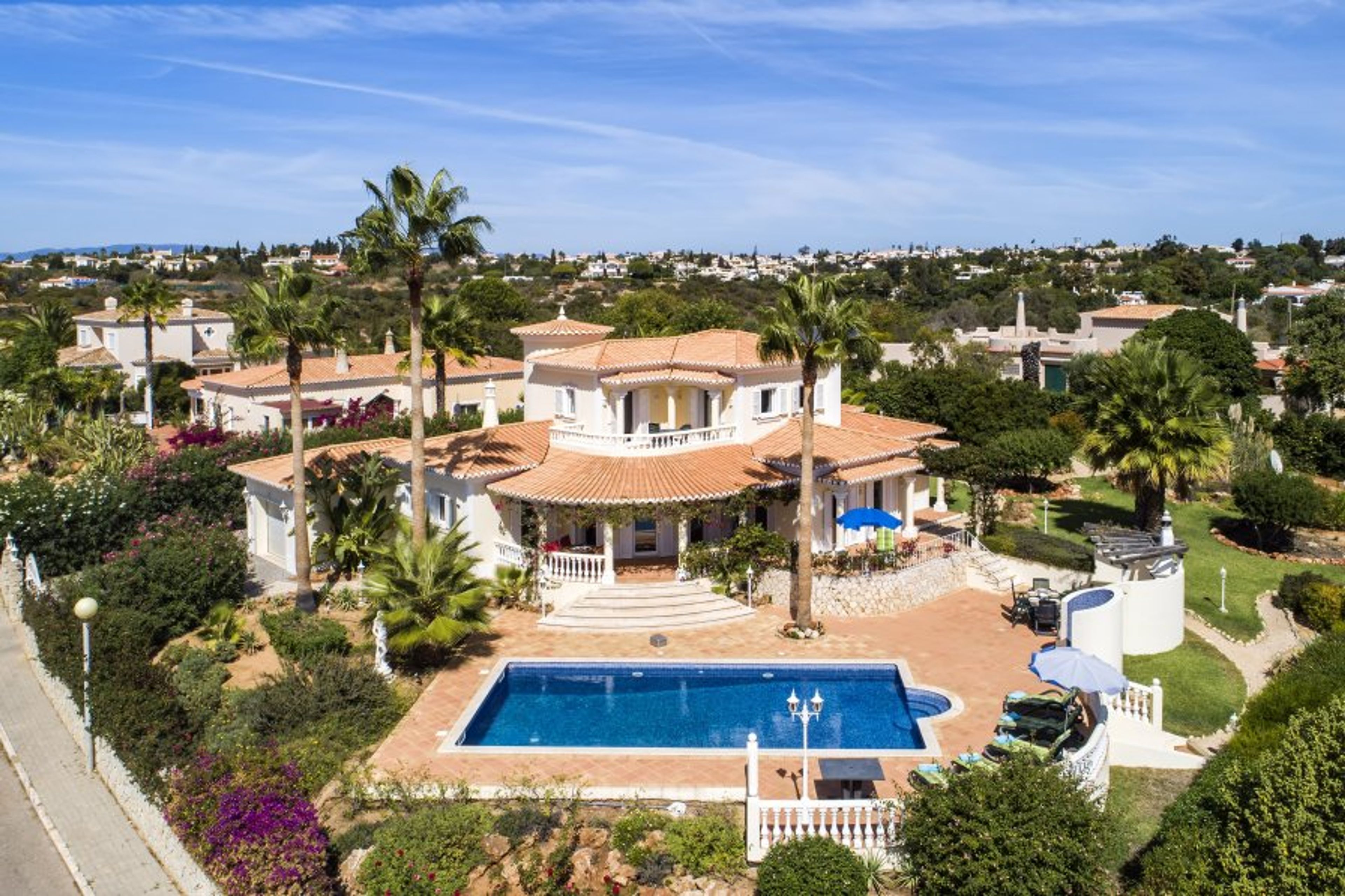
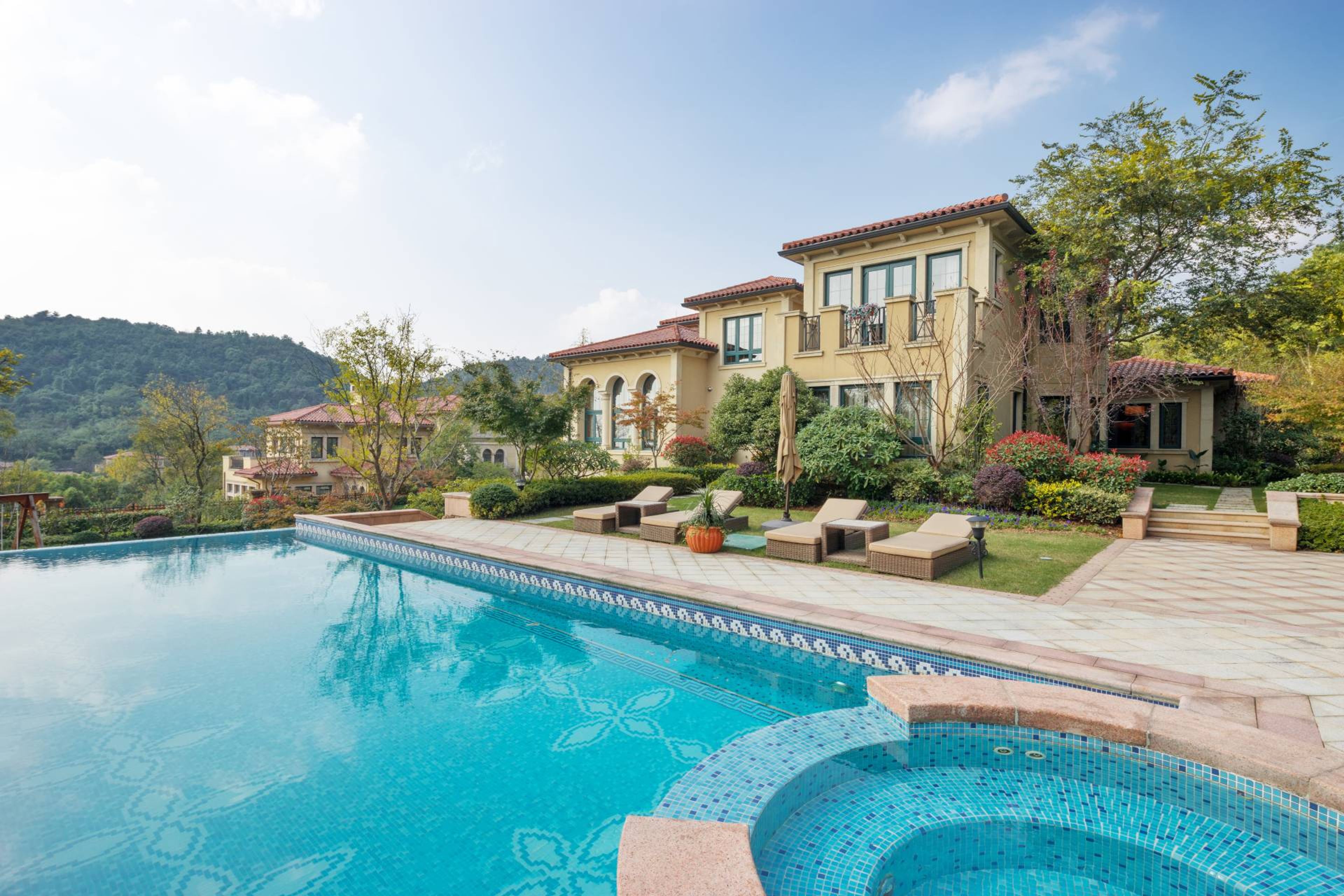
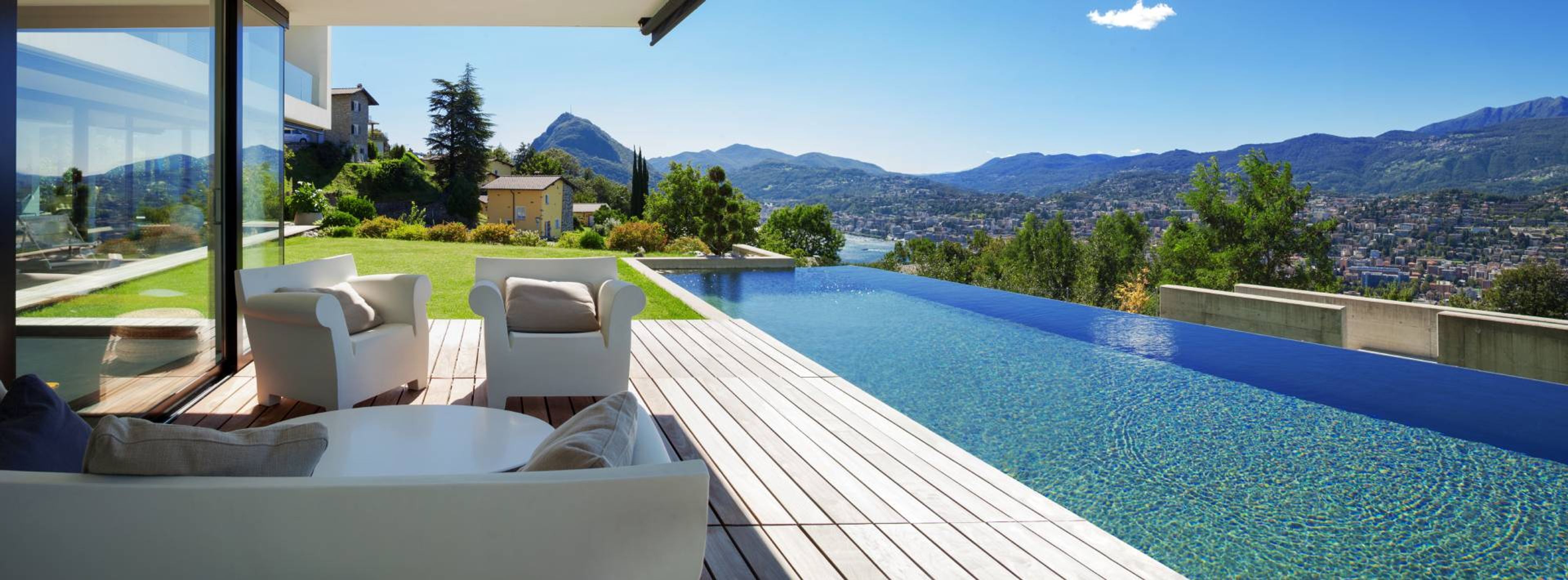
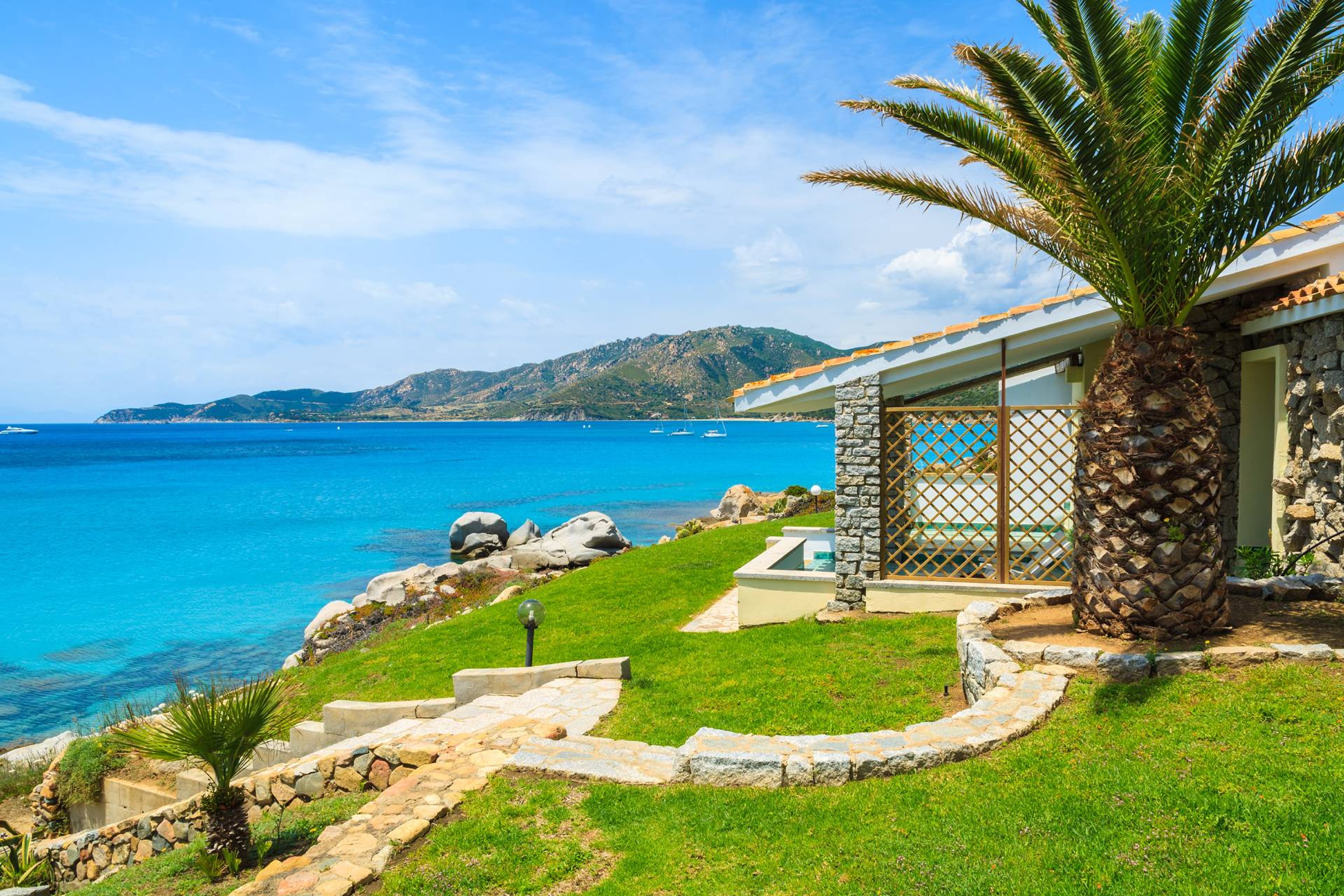
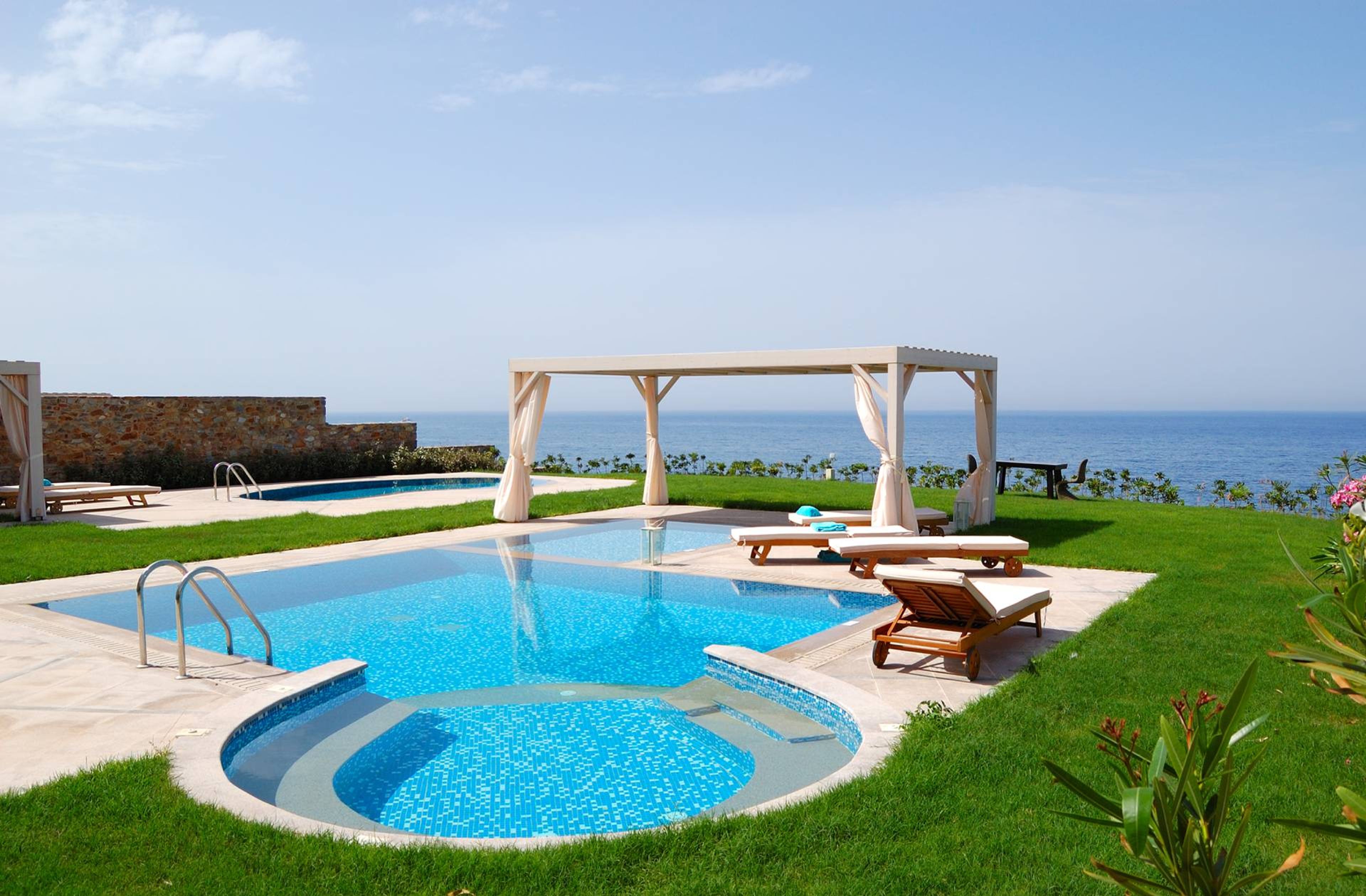
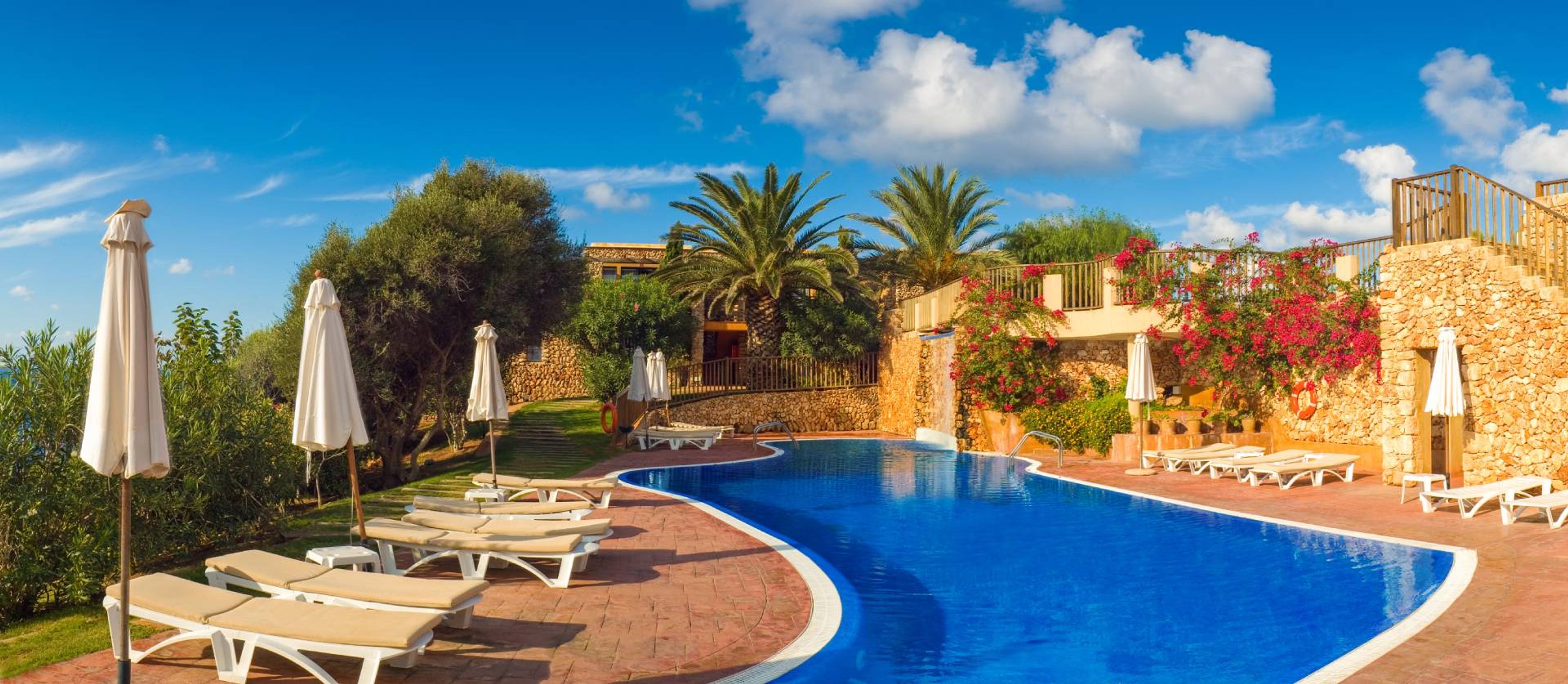
Here are the available houses for rental in Belgium. |    
|
View rental properties in: All Countries / Europe / Belgium
Destination guide to Belgium
|
A time to remember From the Daily Mail Every night in the little Belgian town of Ypres, the traffic comes to a standstill. But it's not the rush hour that causes the gridlock, it's the daily service of remembrance for the 500,000 World War One soldiers who lost their lives in the muddy Flanders fields around the town. Each evening at 8pm on the dot, three beret-wearing buglers march out into the middle of the road. They stop, turn - and play a Last Post that echoes round the vaulted ceiling of the Menin Gate, the colossal stone memorial to the Allied war dead, astride the main thoroughfare out of town. It was along this route that hundreds of thousands of Allied troops passed, on their way to the horrors of the front line. In those days, the gate didn't exist - nor indeed the rest of the town, having been flattened by shelling. But in 1927, when the town was finally rebuilt, the Menin Gate was erected in memory of Allied sold iers who had died at Ypres but whose bodies were never found. One of the first organised tour groups to visit the Menin Gate was a 150-strong party from the British Legion, mostly widows and parents of the fallen soldiers. And this summer, the Legion is undertaking a 75th anniversary pilgrimage, through its war-tour company Remembrance Travel. 'We'll be attending the Last Post, of course', says Piers Storie-Pugh, head of Remembrance Travel. 'And we'll be visiting all the key locations.' These include the Essex Farm dressing station, where Canadian surgeon Dr John McCrae sat beside the Ieperlee Canal and wrote the famous poem In Flanders Field. Also Tyne Cot, the largest Commonwealth war cemetery (11,000 graves) in the world. And the last surviving network of original British trenches at Sanctuary Wood. ... more
Where the bison roam From the Daily Mail The horses trotted steadily up the rise. At the ridge we slowed, pulled in the reins, and jostled together in a group, looking down on the pasture land below. The sight that greeted us was amazing. Forty or so North American bison, dark, bulky and grazing contentedly. We might have slipped back 100 years, to the plains of the American West. In fact, I was on a short break to the Belgian Ardennes. The Ardennes stretch north from France to Germany; the Belgian part is one of the prettiest, with pine-clad hills and villages of turreted chateaux and grey-spired churches. Durbuy is perhaps the prettiest village of all; clustered below wooded hills on a bend in the River Ourthe, with a central square of 17th-century buildings. The corridors and stairs in the ancient Hotel Vieux Durbuy creaked reassuringly. And at the Jean de Boheme restaurant, named after the 13th-century founder of the town, the menu i ncluded a filet pur de boeuf so tender and succulent that it almost fell off the fork. But then Belgian cuisine has made something of a name for itself. Brussels, for example, now has more Michelin-starred restaurants than Paris. At the nearby village of Neffe, I booked a day ride at the local stables. On a quiet Sunday morning, a small group of us saddled up our horses and rode out towards the neighbouring village of Recogne. And it was here, after two hours in the saddle, that we saw the bison. These huge beasts once roamed in their millions on the plains of North America, but they were hunted almost to extinction by 1900 as part of the attacks on Native American culture. The bison in the Ardennes belong to Jean d'Hoffschmidt, whose family has lived in the region since the 17th century. Jean, a softly spoken man of 34, who speaks perfect English, has an obsession with the Wild West. Jean has converted Recogne into a Wild West visitors' centre. Guests can tour the museum, with scenes painstakingly recreated from Native American life. Outside the visitors' centre, we stopped to pat Coco, the farm's 2,000lb tame bison, and strolled around Recogne's lovely manicured gardens. Then it was time to get back in the saddle. The only members of our party not impressed by the bison farm were the horses. They bunched together, whinnying, as, riding out, we passed a herd of 300, standing like small black tanks in the fields. But once clear of the farm, we headed into the shadows of the aptly named Sans Souci - 'without a care' - forest, gave them free rein, and cantered home. ... more
Maigret's manor From the Mail on Sunday With his trilby, raincoat and pipe, Inspector Maigret was the Morse of the Sixties. Millions followed the exploits of the unflappable Parisian policeman on their black-and-white TVs. For the over-40s, his name ranks alongside Holmes, Poirot and Morse as a screen sleuth. He was the hero of 80 books as well as various TV series all based in Paris. But his creator, author Georges Simenon, was born 100 years ago in the bustling Belgian city of Liege. So while Paris - hardly needing any more visitors - is largely ignoring the centenary, Liege, barely discovered by tourists, is making the most of it. You can see why. About the size of Bristol, Liege lies deep in the French-speaking southern part of Belgium, straddling the wide and busy River Meuse. It is overshadowed in tourist terms by Brussels and Bruges and neither of its claims to fame - a major centre of gun-making and Europe's s econd-largest river port - are immediately appealing prospects. So when I was invited to the grand opening of 'Simenon Year' it was a chance to see what Liege has to offer, whether you're a fan of Simenon or not. The first good news was that it was pretty easy to get there - two hours 40 minutes from London to Brussels by Eurostar, then a ride through the wide-open panoramas of Belgian countryside for another 90 minutes to Liege. Once there, only an Inspector Clouseau could miss the long trail of clues leading to the great crime writer's time in the city. There is a Place du Maigret, a Simenon Youth Hostel, a bust of the author in the middle of a major roundabout and now a huge Simenon museum - early writings, film clips and so on - has been erected in Liege's main square just for the centenary. Thanks to my knowledgeable local guide Andrea, the official walking tour of Simenon's Liege was easier to understand, although her pronunciation of 'baroque' as 'barrack' left me wondering if all the churches used to be army bases. The two-hour Simenon walk leads to Outremeuse, an island suburb in the Meuse, taking in 'sights' such as the outside of the terrace house where Simenon was born, his school, a chapel where he was a choirboy and the pokey garret known as 'La Caque' where he met his bohemian artist friends. ... more
Small is beautiful There's probably no other European city with quite as many monuments in such a small area as Ghent. The capital of East Flanders was once as important a cultural and commercial centre as Paris, and the cathedrals, the castle and the old guildhouses along the canals are reminders of Ghent's former eminence. The most striking sight is the Gravensteen, the diminutive 12th-century fortress on a canal in the historic centre of the city, a real fairytale castle with battlements, turrets, towers and thick walls with arrow slits. Built in 1177 by Philip of Alsace, the Count of Flanders, it was modelled on Crusader forts in Syria. The Crusaders built their forts in recently occupied enemy territory, where the natives were none too friendly. Perhaps Philip wasn't too sure about the loyalties of Ghent's population, either. Just a few hundred yards away is Patershol, a district of winding narrow streets and small, restored, mostly 18th-century houses. Until the beginning of the last century, Patershol was Ghent's slum district. Now it's been bohemianised, but has retained its medieval street pattern and the small scale of the houses. These days a cast of faintly artistic-looking residents seem to spend their afternoons in cafes when they could be otherwise gainfully employed. On the edge of Patershol is Oudburg, a street that epitomises the cultural diversity of the area. In one short stretch are Turkish, Greek, Indian, Mexican and Spanish restaurants. At night it's a favourite with students. ... more
Chips make great meals People say that Brussels isn't the most interesting city in the world and, to be honest, I don't know if we'd have wanted to stay for longer than a few days. However, it's a really easy, compact city to get lost in for that length of time. We hadn't read a guidebook, so just headed for the centre on arriving at the station. That first day we did the usual tourist things. Admired the golden buildings in the Grand Place, which were much more impressive than we'd thought they'd be. Found the famous Manneken Pis and then we walked over to St Catherine's and ended up eating in an OK restaurant back near the Grand Place, down one of those restaurant-crammed streets. Not amazing food, but pretty good compared with what you'd find in a similar tourist trap in England. We'd picked up a copy of the free Ticket Guide and decided to try the Ancienne Belgique club, which had some DJs scheduled. We were really surprised at what a good night it was and found a similar atmosphere in every club we visited. For a supposedly uninteresting city, Belgium has a great club scene. Some of the locals gave us a few tips on where to eat and drink, around St Gery, near the Place du Grand Sablon, and up along Avenue Louise - posh but a really atmospheric part of town. Two general rules. Chips make great meals, and can be bought everywhere, as can hot waffles. Don't leave without visiting Dandoy, a little shop near the Grand Place that sells the Belgian version of gingerbread, speculoos. ... more
See more reviews for Belgium
Click here for our guide on Belgium
Click here for our fact file on Belgium
|